
- 22/01/2013 – Wing construction
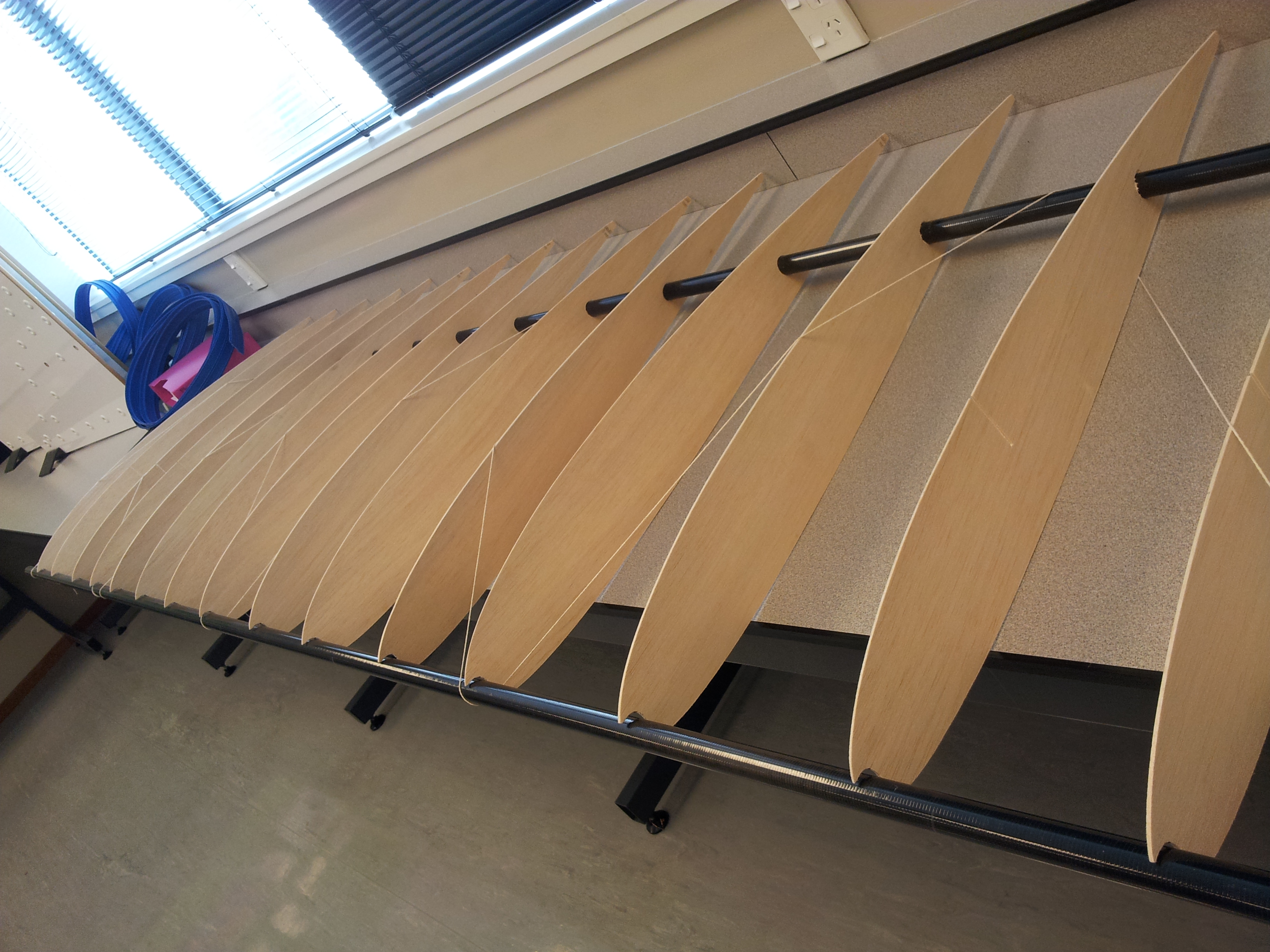
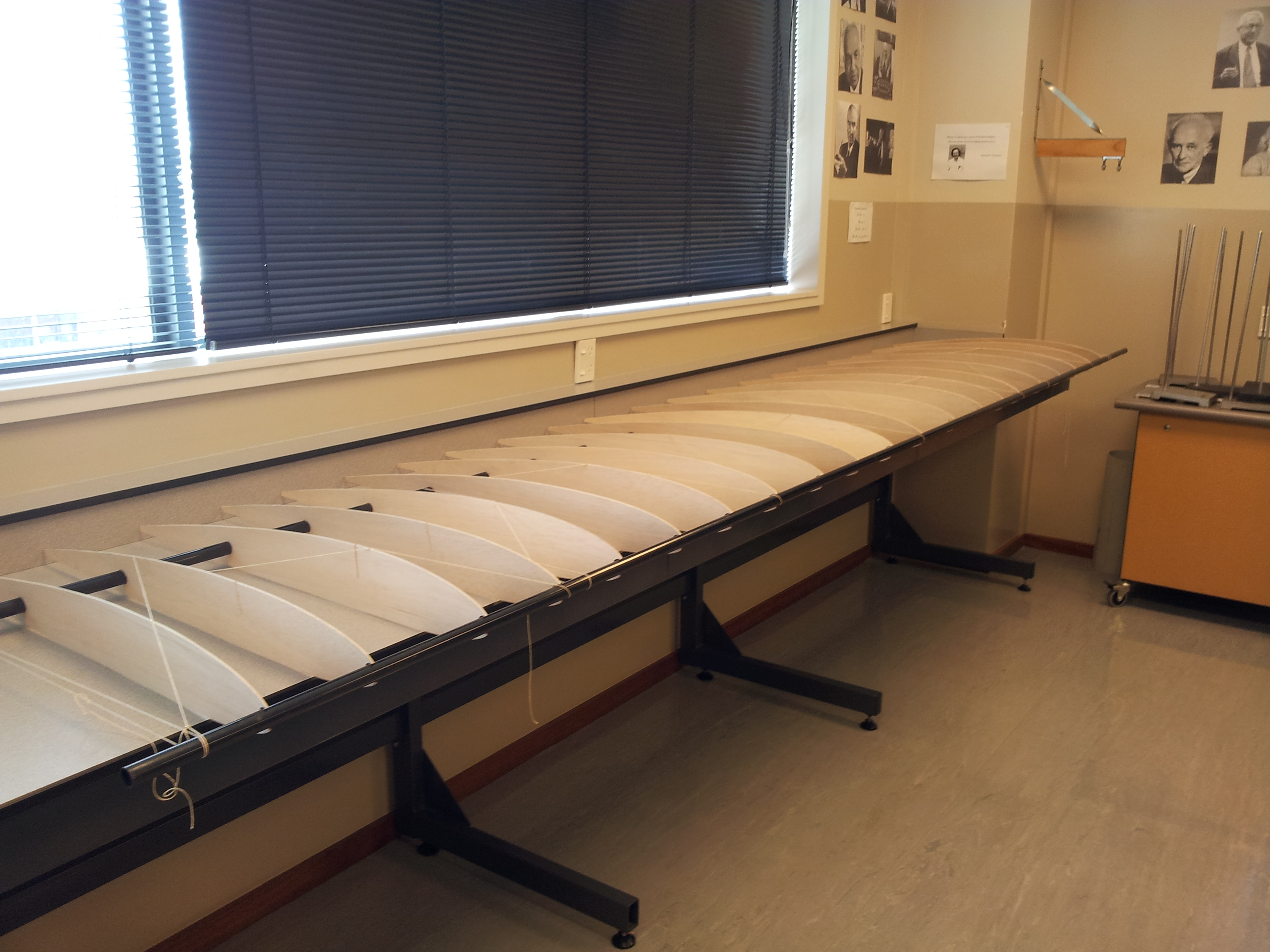
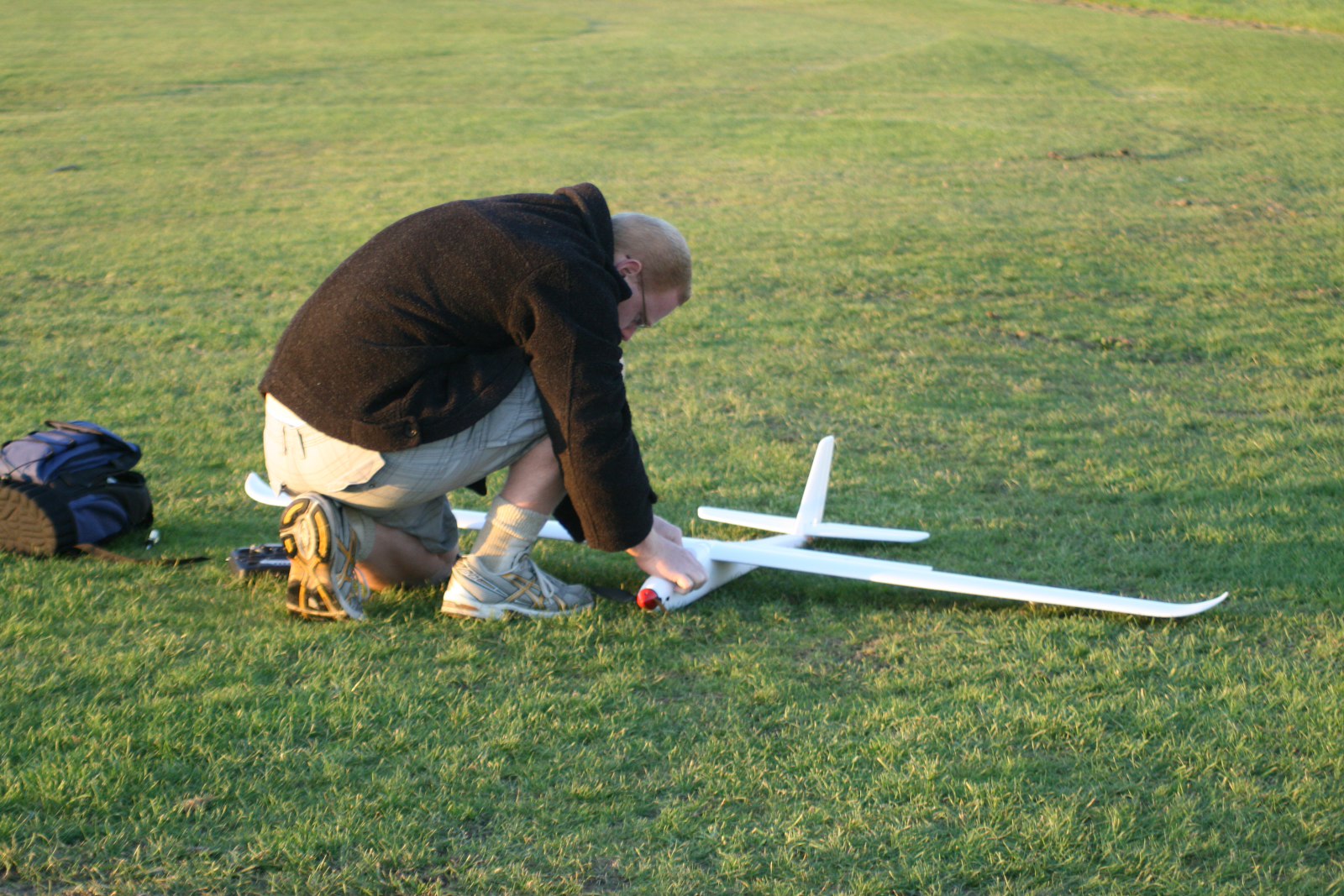
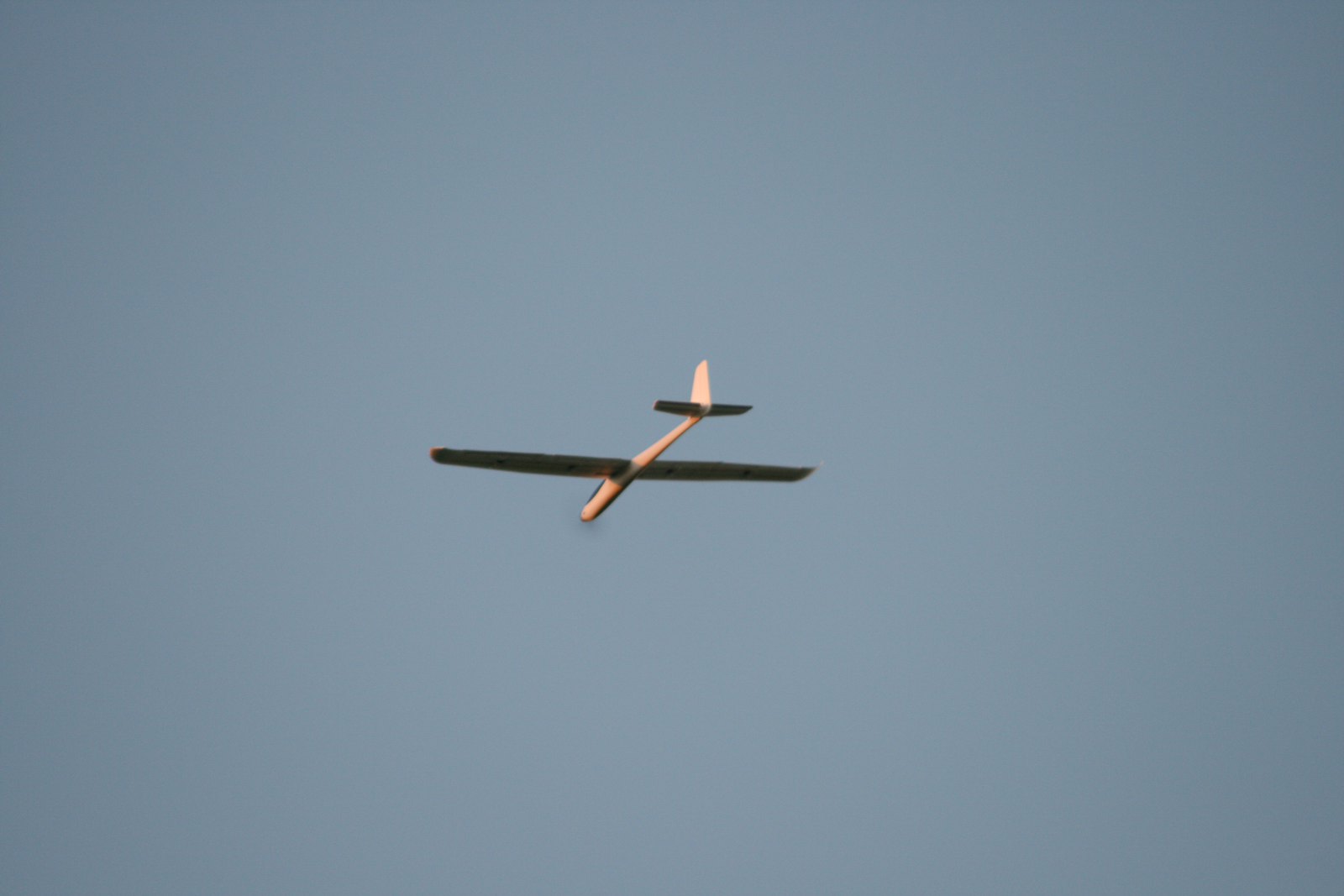
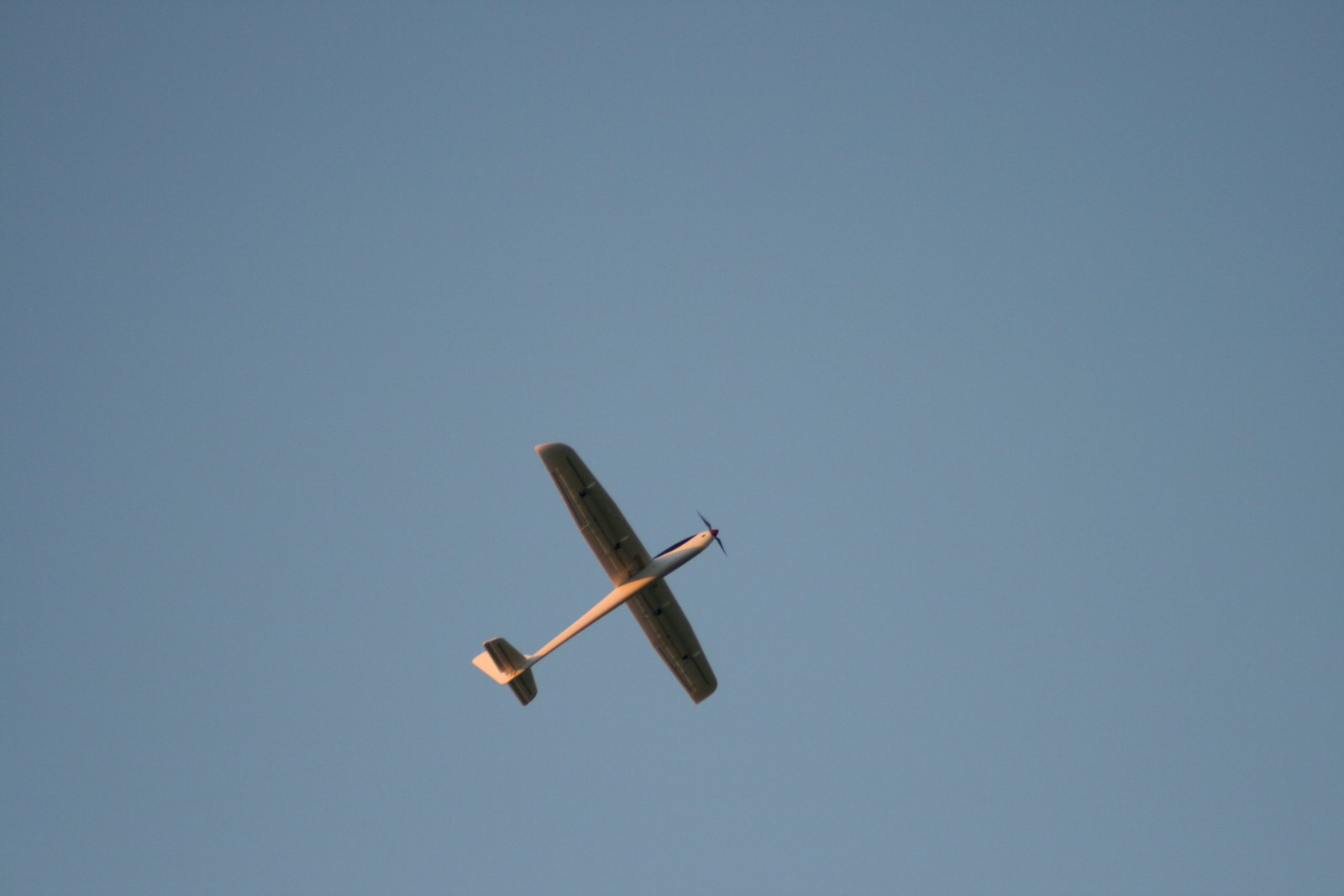
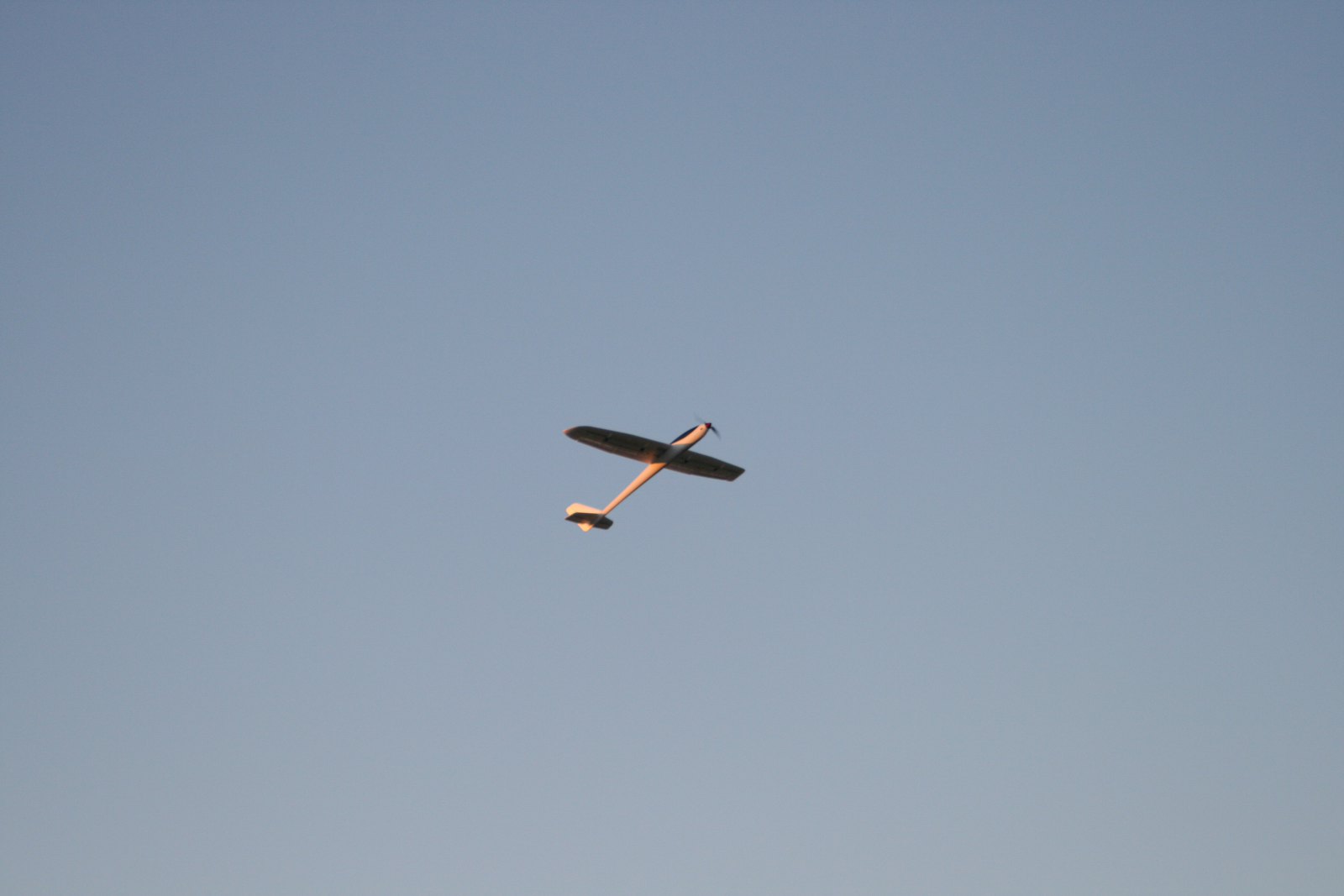
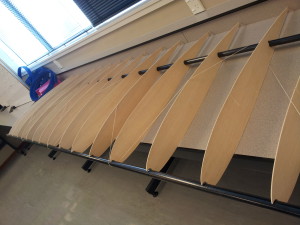
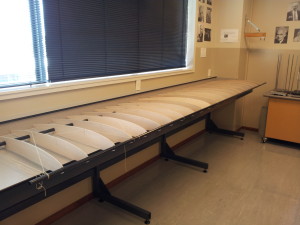
Construction has resumed on project auto launch. The wing pieces have been assembled to put on display at ACG Parnell to motivate the students and staff involved in the planes development. We are looking for more model planes at the moment to continue testing the auto pilot system. The process of testing the auto pilot tends to send a lot of planes to their death, though we have found the Lanyu TW 742-5 very robust, internally spacious(important for electronics) and very cost effective; read cheap. Our current test plane has survived no less than 5 full speed, gut wrenching collisions with the ground and some magnificent cartwheels. It’s been an honour serving with you TW 742-5 version 1, but your time on this planet has come to an end. We want to be absolutely sure our full scale prototype has the most reliable electronics package possible, so we need as many model planes as possible to test with before we finally launch PAL.
With more engineers becoming available this year, we expect to make great progress on our projects, so expect more regular updates on the website.
Continue reading → - 08/10/2012 – Pipette Robot
Development of the pipette robot has come along very nicely, the robot accepts a program as a string of CNC code, which tells it how to move and trigger the pipette action. The robot can accurately and consistently move in two axis with precision down to half a millimetre. Now that all of the major parts of the robot are complete we will be working on refining the design and developing more user friendly software to program and interact with the robot.
Continue reading → - 03/08/2012 – Pipette Robot
Ben Himmer (Biology teacher and post graduate student) with the assistance of Sam Crookes are constructing an automatic Pipette robot. The robot will dispense micro-litres of yeast into agar plates, 80-100 droplets per plate.
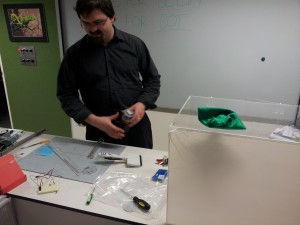
I will ask Ben to provide a more detailed explanation of the research shortly.
The robot will raise and lower a configurable eletronic Pipette with 10 dispensors.
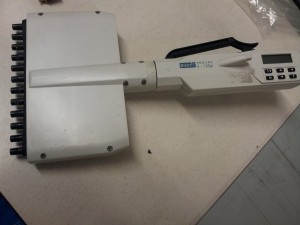
The robot will also use an old flat bed scanner to position the agar plates on one axis. We are hoping to drive the stepper motor with an Arduino micro controller via a stepper motor driver from Sparkfun.
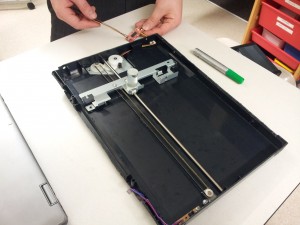
The whole setup will be mounted and confined in a custom acrylic box.
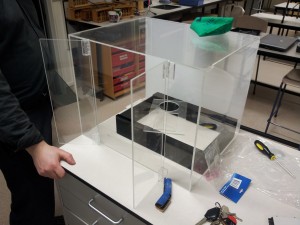
We will make the controller code and any other useful information available to download once the project is completed.
Continue reading → - 17/03/2012 – International Young Physicists Tournament – Auckland Regionals
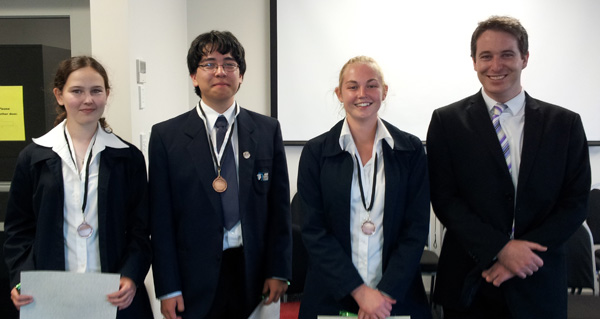
Congratulations to the Auckland regional winners of this years Young Physicists Tournament. This year Tristan O’Hanlon, who currently teaches at ACG Parnell College, and WARP submitted two teams, with one team making it into third place.
Tristan O’Hanlon and Sam Crookes were also judges in this year’s competition.
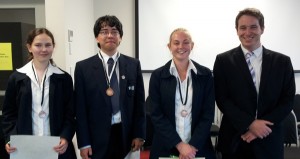
For more information about ACG Parnell’s success, see the link below.
Auckland Grammer took out the top two spots in Auckland, with the experienced Mr Gavin Jennings as their mentor.
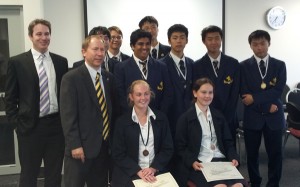
For more information about Auckland Grammar’s win see the link below.
http://www.ags.school.nz/content/academic/ags_win_nz_young_physicists_tournament_30_march_2012.html
Continue reading → - 23/02/2012 – Ethylene Sensor
Sam Connor our Mechnical Engineer, working with Sam Crookes have successfully created an Ethylene sensing device for a horticultural research company. Their purpose is to sense trace amounts of ethylene produced by fruit while ripening. The reason this is important is that when other fruit absorb ethylene, they start to ripen as well. Better detection of ripening fruit will help keep fruit fresh before it is needed for human consumption.
A nano mesh concentrator is used with an ethylene electrochemical sensor, circuit and micro-controller, to allow for readings approximately every 10 minutes.
Continue reading → - 02/07/2011 – Flight of PAL MKIII
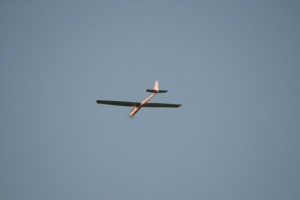
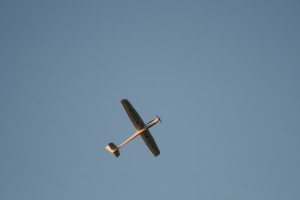
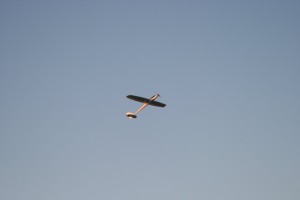
After spending considerable time deciding on a new testing platform for our electronics system, we have purchased and test flown a Phoenix 2000 EPO RC Glider. It has a 2m wingspan and from HobbyStation includes a 5ch transmitter, a 7ch receiver, 6 servos controlling flaps, ailerons an elevator and rudder, battery + charger, motor and ESC.
Continue reading →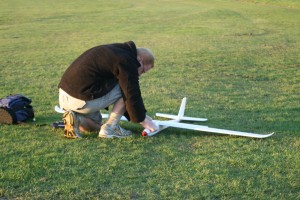

- 25/06/2011 – Custom Flight Computer
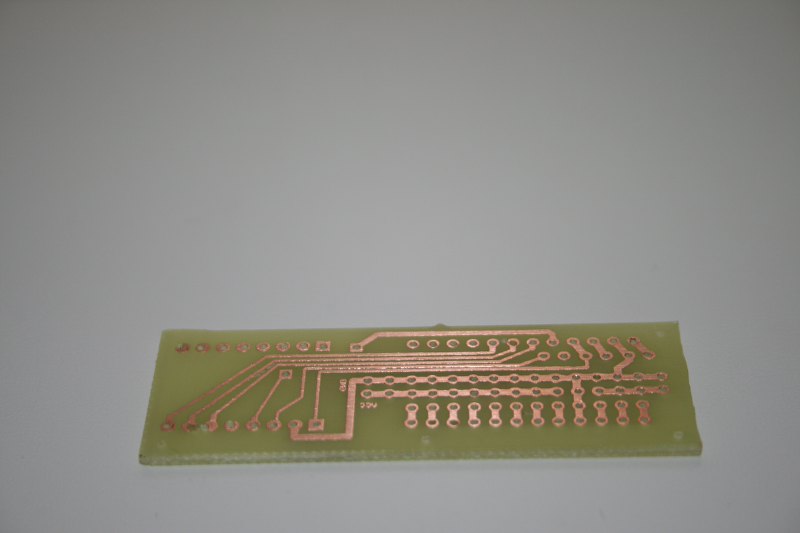
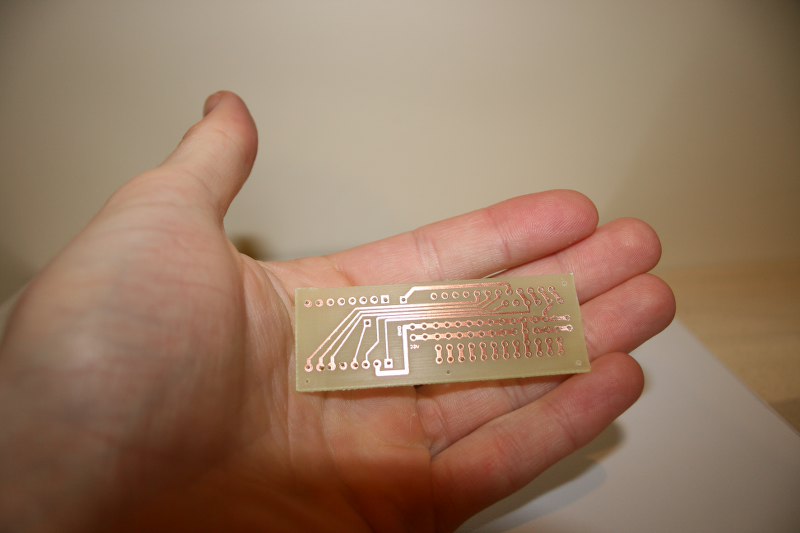
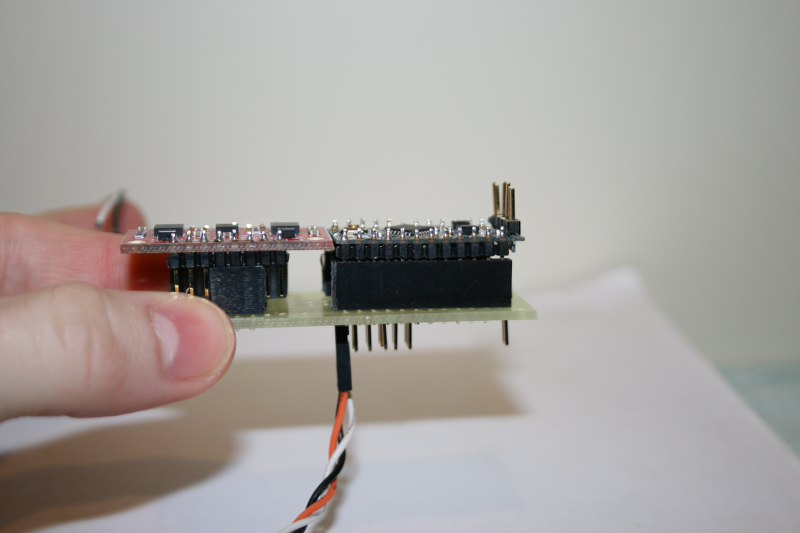
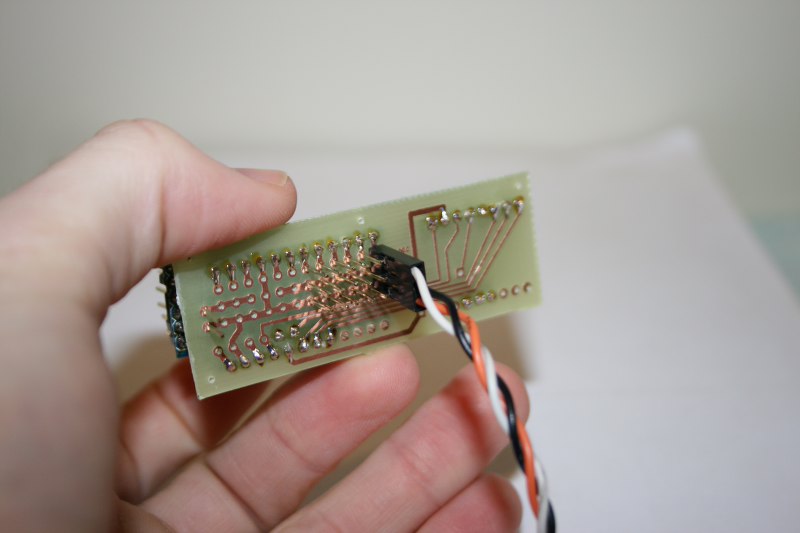
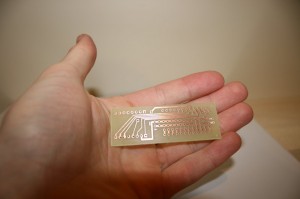
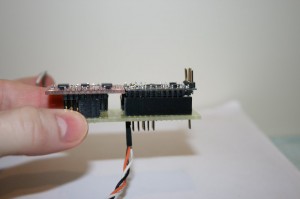
Once again Jacques has out done himself. By creating custom circuit boards we can make our electronics package more compact and easier to understand by only adding the required components.
Currently our computer consists of a Arduino pro mini and a Sparkfun 6DOF board. Our custom board ties them togther with breakouts for servos and an external power supply.
Continue reading →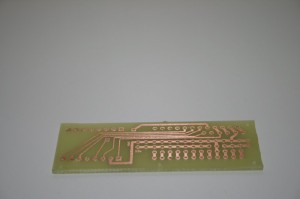
- 30/05/2011 – Webcam Laser Rangefinder
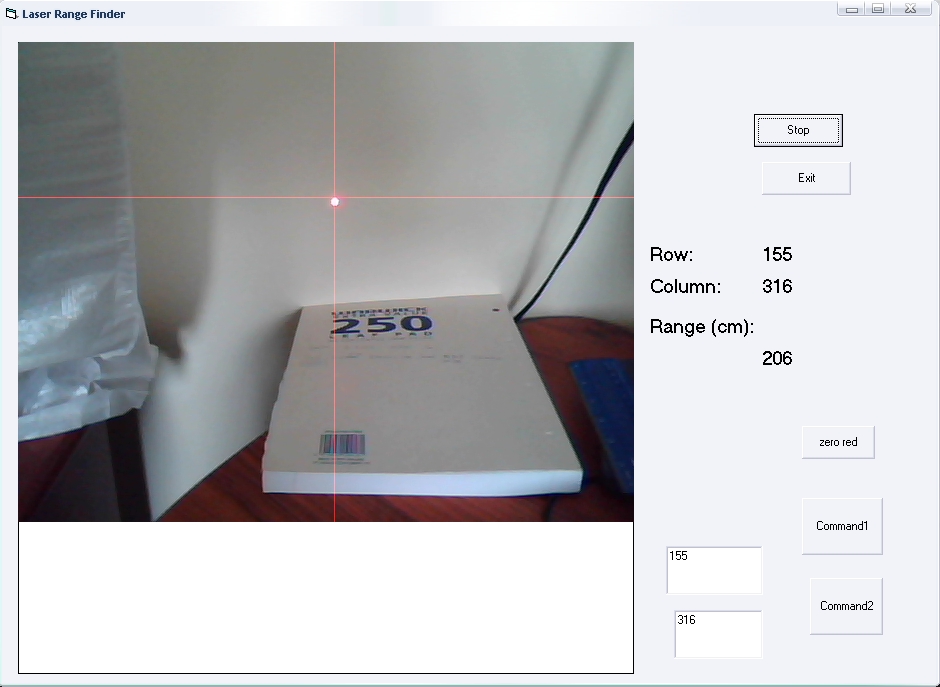
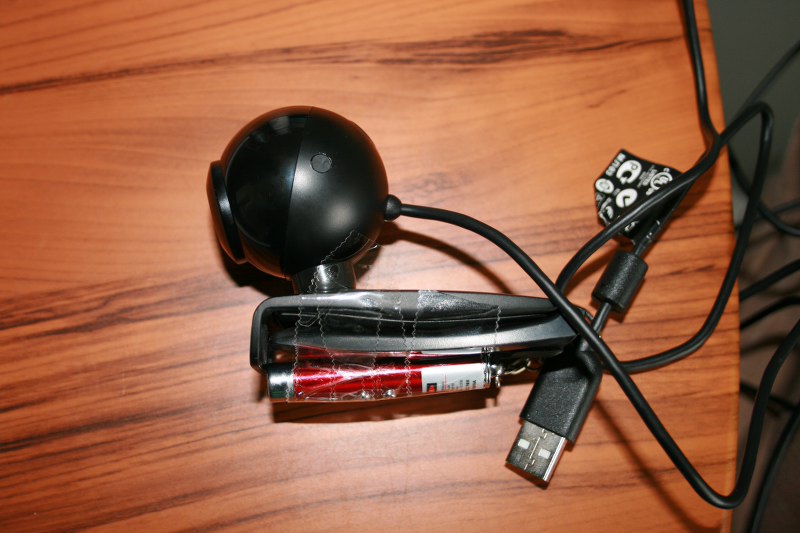
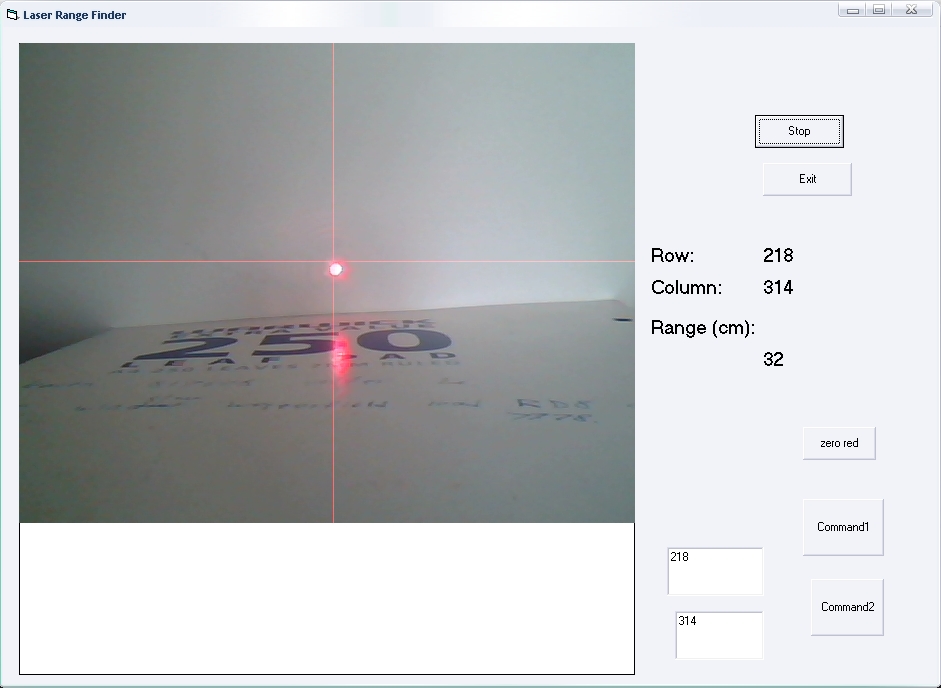
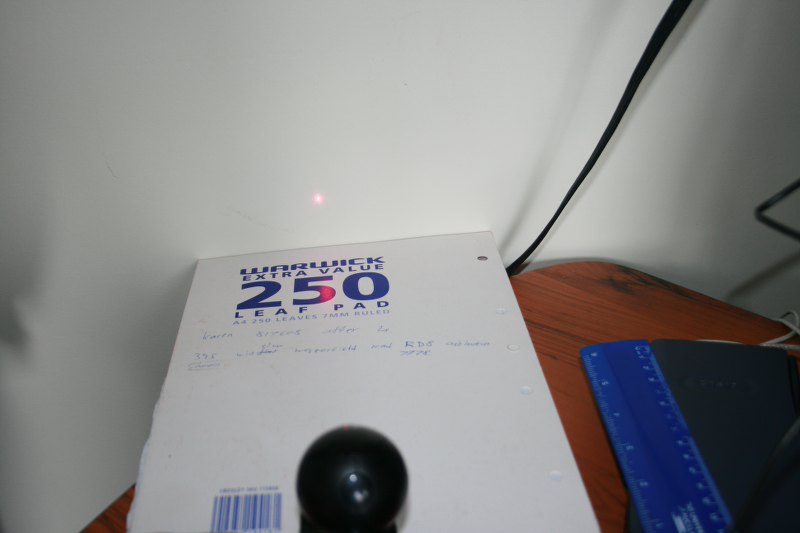
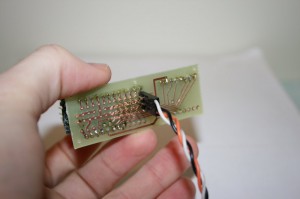
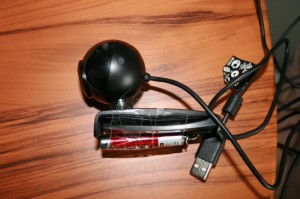
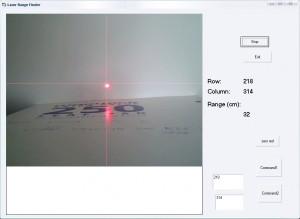
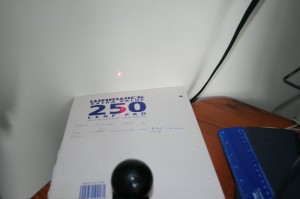
Jacques has amazed us all again with his hacking abilities. Instead of studing for exams he built a laser range finder using a $15 webcam and $2 laser pointer. See the Original Website here.
Continue reading →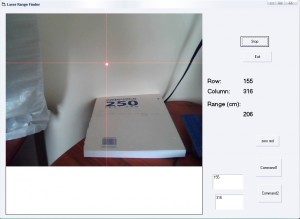
- 01/05/2011 – Using Google
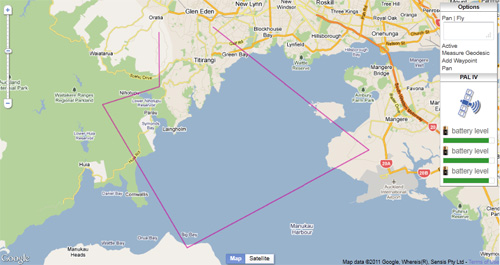
Using the Google maps API we have been able to create our own custom interface to manage PAL. Using Google maps saves us the task of developing our own mapping software, and provides a powerful library of functions.
Here are the beginings of our interface.
Continue reading → - 23/04/2011 – New Artwork for Project Ex
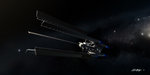
We are proud present the new artwork for Project Ex. A big thank you to our designer Christian Burgos.

Continue reading →